Wedding DJ Pricing Explained: What You’re Actually Paying For
Wedding DJ pricing varies so much because not all DJs are offering the same thing. Some DJs are pricing a side hustle. Others are pricing decades of experience, professional-grade equipment, real Master of Ceremonies skill, planning support, and the ability to carry a wedding with confidence from start to finish. What looks like a simple price difference on paper is often a major difference in professionalism, preparation, and guest experience. If a couple is only comparing numbers, they are usually missing the bigger picture. A wedding DJ is not just there to play songs. The right DJ helps shape the tone, protect the flow, guide the room, and make sure the day feels polished, personal, and fully alive. At JAM Entertainment, we believe couples are not just paying for music. They are paying for experience, leadership, preparation, emotional intelligence, and the kind of event stewardship that makes one wedding feel average and another feel unforgettable.
Why wedding DJ pricing feels all over the map
From the outside, wedding DJ pricing can feel confusing. One company gives a number that seems almost too good to be true, while another comes in much higher and leaves couples wondering how both can possibly be in the same category. The answer is simple. They are often not in the same category. A low quote may come from someone doing this as a side hustle with basic gear, limited planning, and little wedding-specific experience. A premium quote usually reflects a professional who has spent years learning music, reading crowds, understanding flow, investing in better systems, and becoming the kind of person who can guide a room instead of just filling it with sound. That gap matters more than most couples realize.
You are not just paying for music
This is one of the biggest misconceptions in the wedding world. A lot of couples start the search thinking the DJ is mostly about a few key songs, a dance floor, and somebody pressing play. Sometimes one partner, often the groom, gets assigned the DJ search like it is mostly a music task that can be checked off the list. That is understandable, but it misses what wedding entertainment actually affects. A great wedding DJ does not just play music. They help shape the flow, tone, guest experience, emotional pacing, formalities, and energy of the entire celebration. They know what to say, when to say it, how to guide transitions, and when to stay quiet and let a moment breathe. That is why we encourage both partners to be part of the consultation. The investment is not just about songs. It is about the experience of the day.
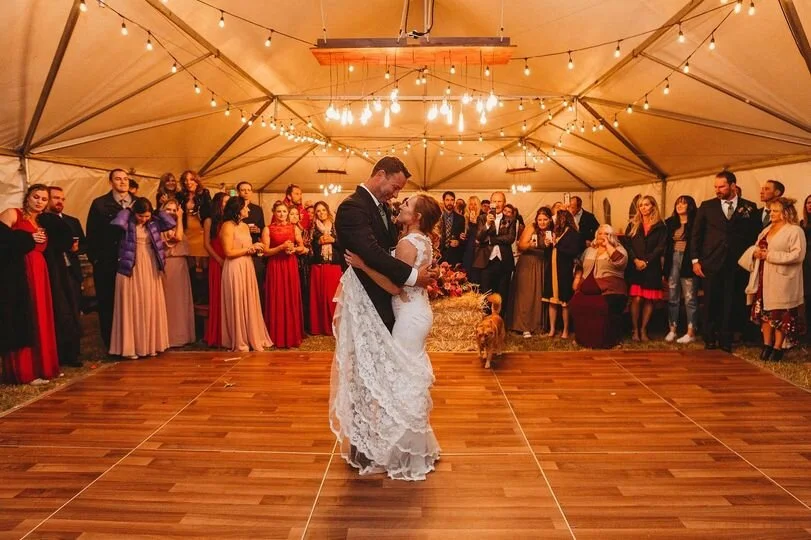
You never get a second first dance.
Not all wedding DJs offer the same level of experience, professionalism, MC skill, or planning support. Here is what couples are actually paying for and why price alone can be misleading.
What couples are actually paying for
When couples hire a true professional wedding DJ, they are paying for much more than a playlist. They are paying for experience. Not just years in business, but years of learning how weddings really move, how crowds respond, how to recover when something shifts, and how to lead without making the night feel forced. They are paying for professionalism. That includes communication, preparation, polish, punctuality, attire, presence, and the ability to show up calm and ready. They are paying for Master of Ceremonies skill. Not just someone who can make announcements, but someone who knows how to guide the guest experience, hold the tone of the room, and lead the ceremonies that matter. They are paying for perspective. At JAM, that includes not just decades in entertainment, but also experience owning a wedding venue, working as an event planner in Lake Tahoe, and understanding the flow of an event from more than one angle. They are paying for investment. Real professionals spend serious money on equipment, backups, education, conferences, training, music knowledge, and the systems that make events smoother. That is what the number is actually attached to.
The difference between a cheap DJ and a premium DJ is not just sound
Anybody can cook a piece of meat. That does not make everybody a Michelin-level chef. Wedding DJs are similar. Someone can own speakers, a controller, and a laptop and still not know how to guide a wedding at a high level. Someone can play music and still not know how to read a room, shape emotional moments, or keep a reception feeling elegant and alive. It is the difference between checking a box and creating an experience. The gear list might sound similar from a distance, but the result is not. That is what couples are actually feeling when they say one wedding felt flat and another felt unforgettable.
A lot of DJs charge low up front and make it up later
This is another reason pricing can feel so confusing. Some companies quote a low starting number, then begin layering on extra fees for things couples assumed would already be included. Ceremony audio. Additional setup time. Tear-down. Uplighting. Planning tools. Travel. Credit card processing. Extra microphones. Timeline support. By the end, what looked cheaper at first is not always cheaper. In many cases, it simply looked cleaner on the first page. At JAM, we prefer a flatter and more transparent approach because couples deserve to understand what they are actually getting without feeling nickel-and-dimed every step of the way.
MC work is one of the biggest pricing blind spots
Most people do not realize how much value real MC work adds to a wedding. Part of the problem is that many DJs say they MC weddings when what they really mean is that they can make announcements. “First dance.” “Last call.” “Please take your seats.” That is not the same as true Master of Ceremonies work. A real MC protects the flow, emotional tone, transitions, guest clarity, and meaning of the night. They know how to introduce a grand entrance without making it feel cheesy. They know how to set up a father-daughter dance with care. They know how to guide a room through speeches, dinner, dancing, and the unexpected without making it feel clunky or awkward. That level of leadership is worth paying for, and it is one of the things couples often underestimate until they have seen the difference for themselves.
Why national averages can be misleading
If couples search online for average wedding DJ pricing, they will usually find broad numbers that can be helpful for context. Zola, for example, currently says wedding DJs often start around $1,000 and can reach $5,000 or more depending on experience, hours of coverage, equipment, and add-ons. Their broader cost data also comes from real couple budgets, vendors, and budget-tool data, which makes it more useful than random guesswork. But averages still have limits. They blend together budget providers, side hustlers, newer DJs, seasoned professionals, and premium or luxury teams. When all of those are mixed into one range, the middle number can look lower than what a truly polished wedding entertainment experience actually costs. That does not mean the premium quote is inflated. It usually means you are looking at a different tier of service.
The cheapest quote is usually not the safest bet
If someone is dramatically cheaper than everyone else, that should raise real questions. How much wedding experience do they actually have? How strong is their equipment? Do they have backups? How do they handle MC work? How much planning support do they provide? What happens if something shifts? Can they actually read a crowd, or are they hoping the playlist carries the night? Price alone should never be the only lens. The better question is what kind of experience that price actually buys.
What couples usually notice too late
We hear it all the time. Couples say another DJ played songs, but the wedding never quite felt right. Sometimes the wrong songs were played. Sometimes the transitions felt awkward. Sometimes the room never really came together. Sometimes the announcements felt flat, forced, or disconnected from the moment. What our couples talk about is different. They remember how the day felt. They remember the timing, the energy, the way the room moved, the way the introductions landed, and the way the celebration felt elevated and personal. That difference does not happen by accident.
What couples should really ask when comparing DJ pricing
Instead of asking only, “How much do you charge?” ask better questions. Ask what is actually included. Ask how MC work is handled. Ask what planning support is part of the process. Ask whether ceremony coverage is included. Ask whether there are extra fees later. Ask what makes the approach different from a lower quote. Ask how many weddings like yours they have done. Ask how they protect the flow of the night. Those answers will tell you far more than a price list by itself.
Final thought
Wedding DJ pricing is not really about how many hours someone stands behind a booth. It is about what they carry, what they protect, and what they know how to do with one of the biggest moments of your life. If you are only shopping for the lowest number, you are probably not comparing what matters most. But if you care about professionalism, guest experience, emotional flow, true Master of Ceremonies skill, and a team that knows how to create something polished and memorable, then pricing starts to make a lot more sense. If that is the kind of experience you are looking for, book a consult. A real conversation will tell you far more than a price list ever could.
FAQ
Why does wedding DJ pricing vary so much?
Because not all DJs offer the same level of service. Some provide basic music coverage, while others bring deeper planning, stronger MC skill, better equipment, more experience, and a more polished guest experience.
Are couples just paying for music?
No. Couples are also paying for planning, communication, crowd reading, transitions, emotional pacing, professionalism, MC work, and the ability to lead the event with confidence.
Why are some DJs so much cheaper than others?
Lower quotes often come from newer DJs, side hustlers, or companies that charge extra later for services couples assumed were included. A low number does not always mean a better value.
Is MC work usually included in wedding DJ pricing?
Sometimes, but not always at the same level. Many DJs include announcements. Far fewer provide true Master of Ceremonies work that helps guide the flow, tone, and guest experience of the wedding.
What hidden costs should couples watch for?
Common add-ons can include ceremony audio, extra setup time, teardown, uplighting, planning tools, travel, credit card processing, and other upgrades that make the final price much higher than the original quote.
Are national average DJ prices reliable?
They can be helpful for broad context, but they often mix budget, side-hustle, professional, and luxury providers together. That can make the average look lower than what a premium wedding entertainment experience actually costs.
What should couples ask when comparing DJ pricing?
They should ask what is included, how MC work is handled, what planning support is offered, whether there are extra fees, how much wedding experience the DJ has, and what makes the service different from lower-priced options.